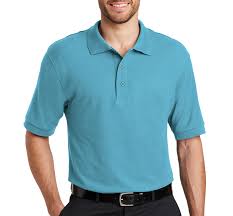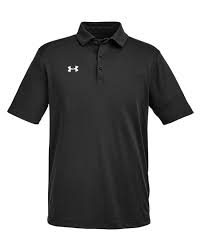
Customized polo T shirts are a smart choice for businesses that want to look polished, unified, and professional. Whether it’s for staff uniforms, trade shows, client gifts, or team apparel, polos combine comfort with a more “dressed‑up” look than classic tees.
A great design makes all the difference. The right colors, logo placement, fabric choice, and print method help your business stand out — not just with customers, but in team morale and brand recognition.
Know Your Purpose and Audience
Before designing anything, clarify why you’re ordering customized polo shirts:
- Staff uniforms for daily wear?
- Event or trade show attire?
- Promotional gifts for clients?
- Team shirts for outings or competitions?
Knowing the purpose helps set the tone. Staff uniforms may lean toward subtle branding and professional tones, while trade show polos might include bolder logo placement or color accents. Think about how and where the polo will be worn, and by whom.
Choose the Right Fabric and Fit
Polos come in many materials, but the fabric you choose affects comfort, breathability, and print quality.
Cotton polos feel soft and natural but can wrinkle and shrink. Performance blends (polyester/cotton or moisture‑wicking synthetics) are ideal when staff are moving around, especially outdoors or in warmer environments. These fabrics often pair with embroidery especially well because stitches hold crisp and clean.
For seasonal or layered wear, coordinating polos with outerwear is a great idea — check out the Sweatshirts & Hoodies page for options that complement your polo designs.
Consider fit too. A relaxed cut may work great for casual team settings, while a more tailored fit conveys professional polish.
Start with Colors That Represent Your Brand
Color choice sets the tone for your polo design. Choose colors that:
- Complement your brand palette
- Allow your logo to stand out
- Work well in your work environment
High contrast is important. For instance, a dark shirt with a light logo or a light shirt with a dark logo gives better visibility and clarity from a distance.
Avoid overly bright or loud colors unless they align with your brand identity. Neutral tones like navy, black, or gray often convey professionalism, while subtle accent colors can mirror your logo or brand highlights.
Pick the Best Logo Placement
Placement matters just as much as design. On a polo, common logo placements include:
- Left chest: The most popular and professional spot
- Right chest: Great for secondary branding
- Sleeve: A subtle location for dates, slogans, or small marks
- Back (center or top): Ideal for event names or bold messaging
Left chest embroidery especially works well on polos because it sits above the pocket area where it’s visible and doesn’t interfere with button plackets or collars.
If your design includes sponsor logos (for events or clubs), consider sleeve placement or back placement, but make sure it doesn’t crowd the main brand.
Keep the Design Simple and Bold
Customized polo shirts are best when the design is clean and readable. Polos are usually viewed from a few feet away — so simplicity leads to stronger impact.
Great design tips include:
- Limit colors (2–3 max for embroidery)
- Choose bold fonts that read easily
- Avoid tiny details that can get lost in embroidery
For visual inspiration on design balance, exploring polo layouts and fabric options on the T‑Shirts page can help you picture how graphics perform at different scales.
Choose the Right Decoration Method
How you decorate your polos matters. The most common methods include:
Embroidery
- Classic, professional finish
- Long-lasting and durable
- Works well with small logos and text
Screen Printing
- Best for larger, flat graphics
- Smooth feel on garment
- Cost‑effective on larger runs
DTF Printing
- Great for multi‑color or detailed graphics
- Flexible placement options
Each method has its place. For small business logos or professional uniforms, embroidery is often preferred because it looks polished and holds up well with repeated laundering. For bold graphics or multi‑color art, DTF or screen printing may be better — and design experts like the team at Printful outline how different methods compare for logo placement and durability.
Mockup and Review Before Production
Before production begins, get a digital mockup — a visual proof that shows how your logo will look on the shirt.
Key items to check:
- Logo size and placement
- Color accuracy
- Contrast against shirt fabric
- Text readability
This step saves time and helps avoid costly mistakes. Using the Start Your Design tool ensures your uploaded artwork gets reviewed and proofed before printing starts.
Order Samples When Trying New Styles
If you’re using a new fabric, fit, or print method, consider ordering a sample before the full run. A sample helps you feel the fabric, see the embroidery or print quality, and make adjustments before committing to a larger purchase.
This is especially helpful if polos will be worn daily — comfort and durability matter when staff wear these shirts multiple times per week.
Plan for Future Reorders
Good design thinking includes planning ahead. If your business may reorder shirts later — new hires, seasonal updates, or refreshed logos — keep your design files organized and save templates.
When you’re ready for more customized polo T shirts next time, reusing saved artwork and placements speeds up the process.
Real Customer Testimonial
“Our customized polos elevated our team’s look instantly. The embroidery was sharp, colors matched our brand perfectly, and staff felt proud to wear them.” — Maria D., Fort Worth
Strategic Start for Your Custom Polo Project
If you’re looking for high‑quality customized polo T shirts that fit your brand and team goals, MyInkADo guides businesses from concept to delivery. Explore garment options on the T‑Shirts page, start your artwork on the Start Your Design tool, and get professional support choosing fabrics and placement that work for your team.
Customized polos help your business look more cohesive, raise brand awareness, and give staff apparel that feels both comfortable and professional.